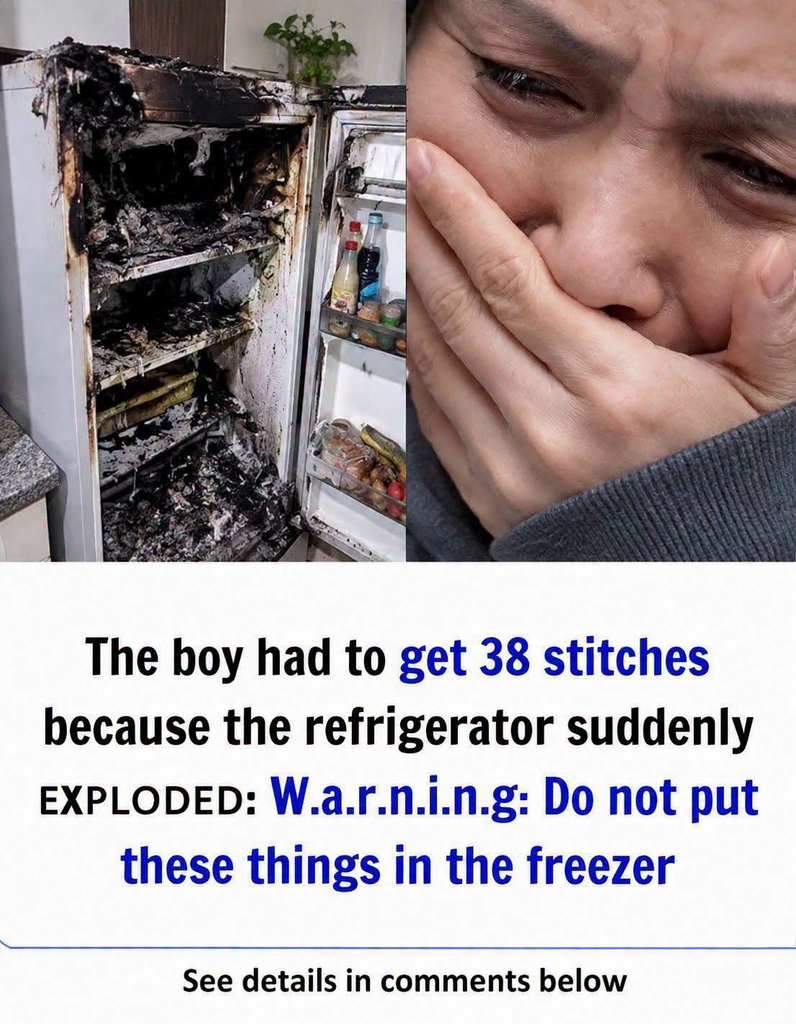
Freezing is a convenient way to preserve food, reduce waste, and keep ingredients available for later. However, not every food or container is suitable for freezing, and some items require special care to maintain their quality and safety.
Here are five things to keep in mind when using your freezer.
1. Eggs in Their Shells
Raw eggs should not be frozen in their shells. As the liquid inside freezes and expands, the shells may crack.
If you want to freeze eggs, remove them from their shells first and place them in a suitable freezer-safe container. <Cite refs={[“turn234997search3″,”turn234997search5”]}/>
2. Carbonated Drinks in Sealed Containers
Soda and other carbonated drinks can expand as their liquid freezes. Keeping them in a tightly sealed container in the freezer may cause the container to leak, deform, or burst.
Follow the manufacturer’s storage instructions rather than leaving sealed carbonated drinks in the freezer to chill quickly.
3. Opened Cans of Food
Food should be transferred from an opened metal can into a suitable freezer-safe container before freezing. This makes storage more practical and helps protect the food’s quality.
Choose a container designed for freezer use and leave enough room for the contents to expand. <Cite refs={[“turn234997search0″,”turn234997search8”]}/>
4. Foods That Lose Their Texture
Some foods, such as lettuce, mayonnaise, and cream-based sauces, may separate or become watery after thawing. This is generally a quality issue rather than a safety concern.
Before freezing these foods, consider whether the change in texture will affect how you plan to use them.
5. Containers Not Designed for Freezing
Ordinary glass jars, thin plastic containers, and some disposable food packages may crack, split, or leak when exposed to freezing temperatures.
Use containers or bags specifically labeled as freezer-safe, and leave sufficient space for liquids to expand.
Tips for Safer Freezer Storage
- Check food packaging for storage instructions.
- Label containers with the contents and freezing date.
- Keep the freezer at approximately 0°F (-18°C).
- Use suitable airtight packaging to help maintain food quality.
- Thaw food safely in the refrigerator when appropriate.
Freezing can help preserve food, but proper packaging and storage practices are important. <Cite refs={[“turn234997search0″,”turn234997search7″,”turn234997search11”]}/>
Final Thoughts
Knowing which foods and containers are suitable for freezing can help prevent unnecessary waste and avoid common storage problems. When in doubt, follow the manufacturer’s instructions and use containers designed for freezer storage.
Which of these freezer tips was new to you?